The Implementation Project (TIP) recently attended the National Congress of American Indians (NCAI) 83rd Annual Convention in Palm Springs, California, where we had the opportunity to raise awareness of the UN Declaration on the Rights of Indigenous Peoples (the Declaration) and Tribal advocacy in international law and policy.
Beyond our Borders: Advancing Tribal Rights
During the Convention’s Second General Assembly, TIP co-organized “Beyond our Borders: Advancing Tribal Rights” with NCAI to provide updates from international discussions and explore why these matter for Tribal Nations and communities in the United States.
For the first time, several Indigenous UN mandate holders presented at the NCAI Annual Convention: UN Permanent Forum on Indigenous Issues Expert Members Brenda Gunn and Lea Nicholas-MacKenzie, and UN Expert Mechanism on the Rights of Indigenous Peoples Member Sheryl Lightfoot. This panel also featured special video remarks from the UN Special Rapporteur on the Rights of Indigenous Peoples, Dr. Albert K. Barume, as well as Ambassador Guilherme de Aguiar Patriota, Permanent Representative of Brazil to the World Trade Organization and other economic organizations in Geneva. Aaron Jones, NCAI International Committee Co-Chair, moderated the panel.
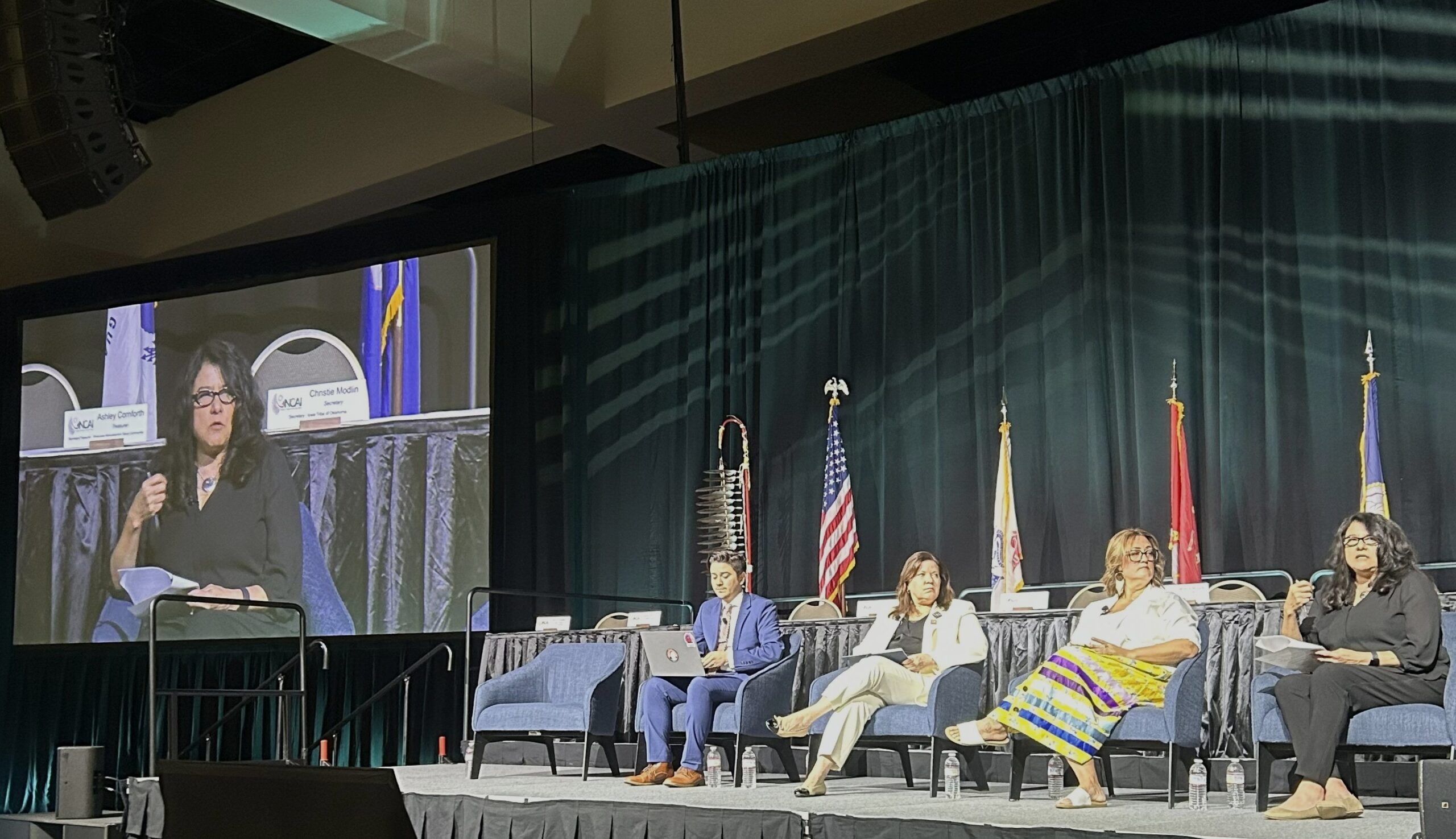
The panelists shared international developments in areas concerning AI and data sovereignty, traditional knowledge, climate and biodiversity, food security, Indigenous health and Indigenous languages, and enhanced participation of Indigenous Peoples in UN systems. They explained the importance of having voices of Tribal Nations present in global forums to address the challenges in our homelands at all levels, discuss issues that cross boundaries, and learn from and connect with Indigenous Peoples globally who share many experiences and concerns. Panelists emphasized the high value of North American Indigenous Peoples’ participation in international processes to provide a model to other regions of how a strong self-governance for Indigenous Peoples can work, and to uphold and benefit from the current international advocacy opportunities which relatives and ancestors fought decades to secure.
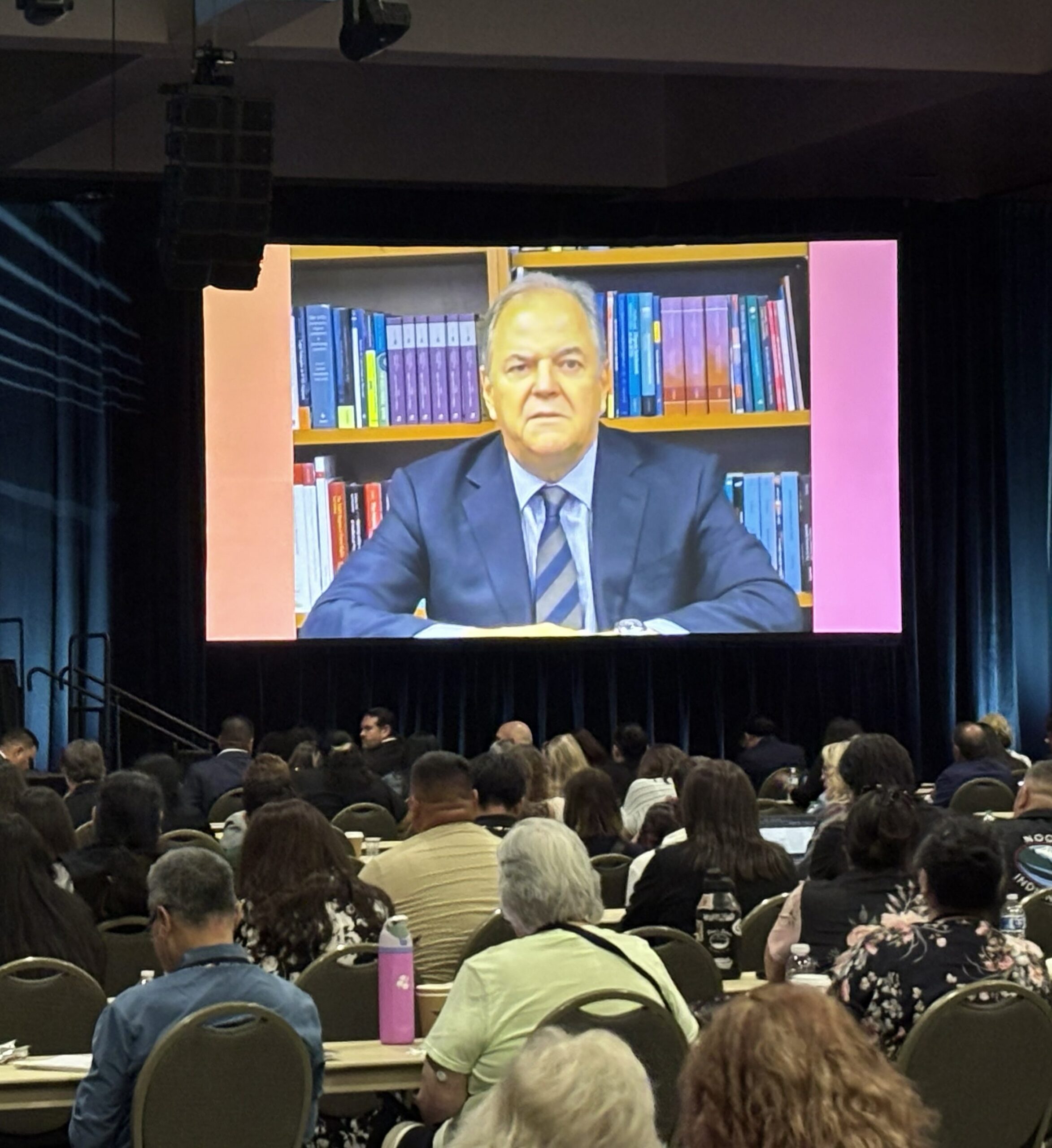
Ambassador Patriota shared his experience as Chair of the World Intellectual Property Organization (WIPO) Diplomatic Conference that adopted a groundbreaking new Treaty holding great promise for the protection of traditional knowledge about plants and animals. The WIPO Treaty on Intellectual Property, Genetic Resources and Associated Traditional Knowledge (GRATK Treaty) is an historic achievement for Indigenous Peoples globally, citing the Declaration and the rights of Indigenous Peoples in several instances. Once brought into force, the GRATK Treaty will require patent applicants to disclose the country of origin of genetic resources and the Indigenous Peoples who are the source of any associated traditional knowledge used in their inventions, an important tool to provide Tribal Nations with the information they need to fight misappropriation.
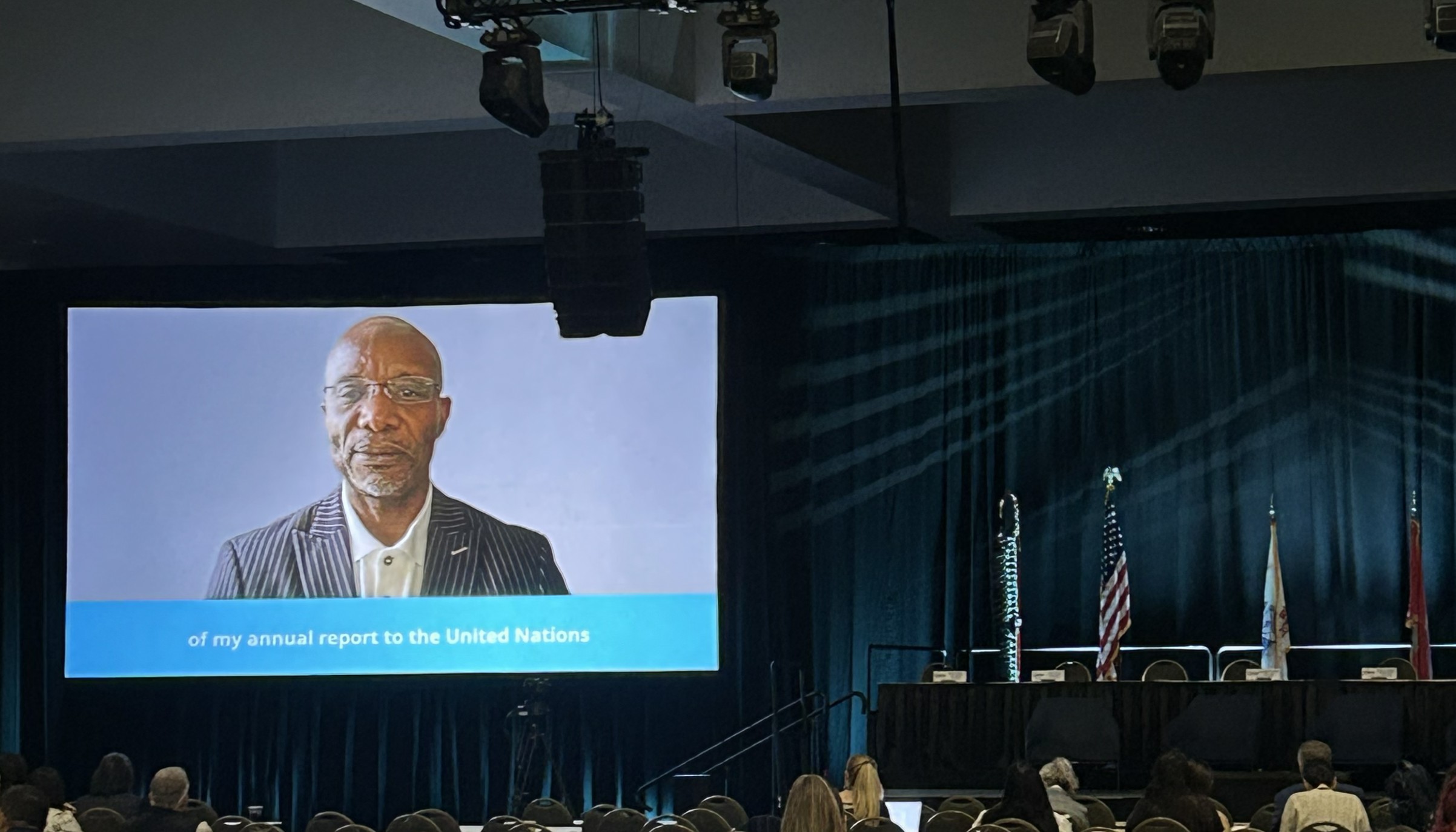
Dr. Barume shared an excerpt from his report on the Demarcation, registration and titling of Indigenous Peoples’ lands, territories and resources. Among other findings, his report states that in the U.S., although Indigenous Peoples are recognized, to varying degrees, as sovereigns, they do not exert full control over their lands, territories, resources, and lives. For example, legal requirements for federal-Tribal “consultations” may be treated as procedural steps lacking substantive impact. He encouraged Indigenous Peoples to stand firm in protecting their rights and to participate in international systems.
A recording of “Beyond our Borders: Advancing Tribal Rights” is available now!
International Updates from WIPO: Protecting Against Biopiracy & Developing Traditional Knowledge and Cultural Expressions Protections
During the Convention, TIP also hosted a breakout session entitled, “International Updates from WIPO: Protecting Against Biopiracy & Developing Traditional Knowledge and Cultural Expressions Protections,” with support from the Native American Church – State of New Mexico (NAC-SNM) and IndigiNational Strategies.
The panel was joined by highly esteemed speakers: Mark Macarro, NCAI President; Leo Dayish, NAC-SNM President; Wend Wendland, Senior Fellow for the Geneva Knowledge Centre and Former Director of the Traditional Knowledge Division at WIPO; Linda Benally, Advisor to the NAC-SNM; Aaron Jones, Natural and Cultural Resources Director of The Tulalip Tribes and Co-Chair of the NCAI International Committee; and Heidi Todacheene, Founder and Principal of IndigiNational Strategies.
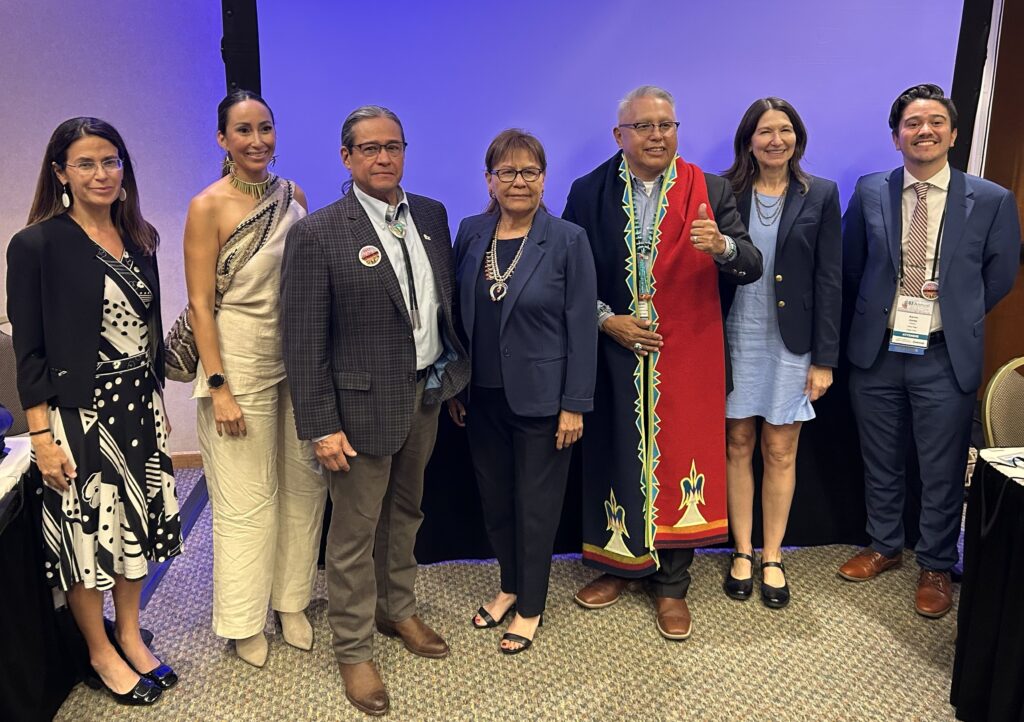
Drawing from traditional cultural practices, intellectual property law, and federal Indian Law and policy, experts provided tangible context and understanding of how research institutions, pharmaceutical companies, and others may appropriate their traditional plant knowledge and other resources. Through experience of threats to their own cultural practices and participating in WIPO processes, speakers emphasized the value of Indigenous Peoples’ participation in creating systems to protect their traditional knowledge and cultural expressions.
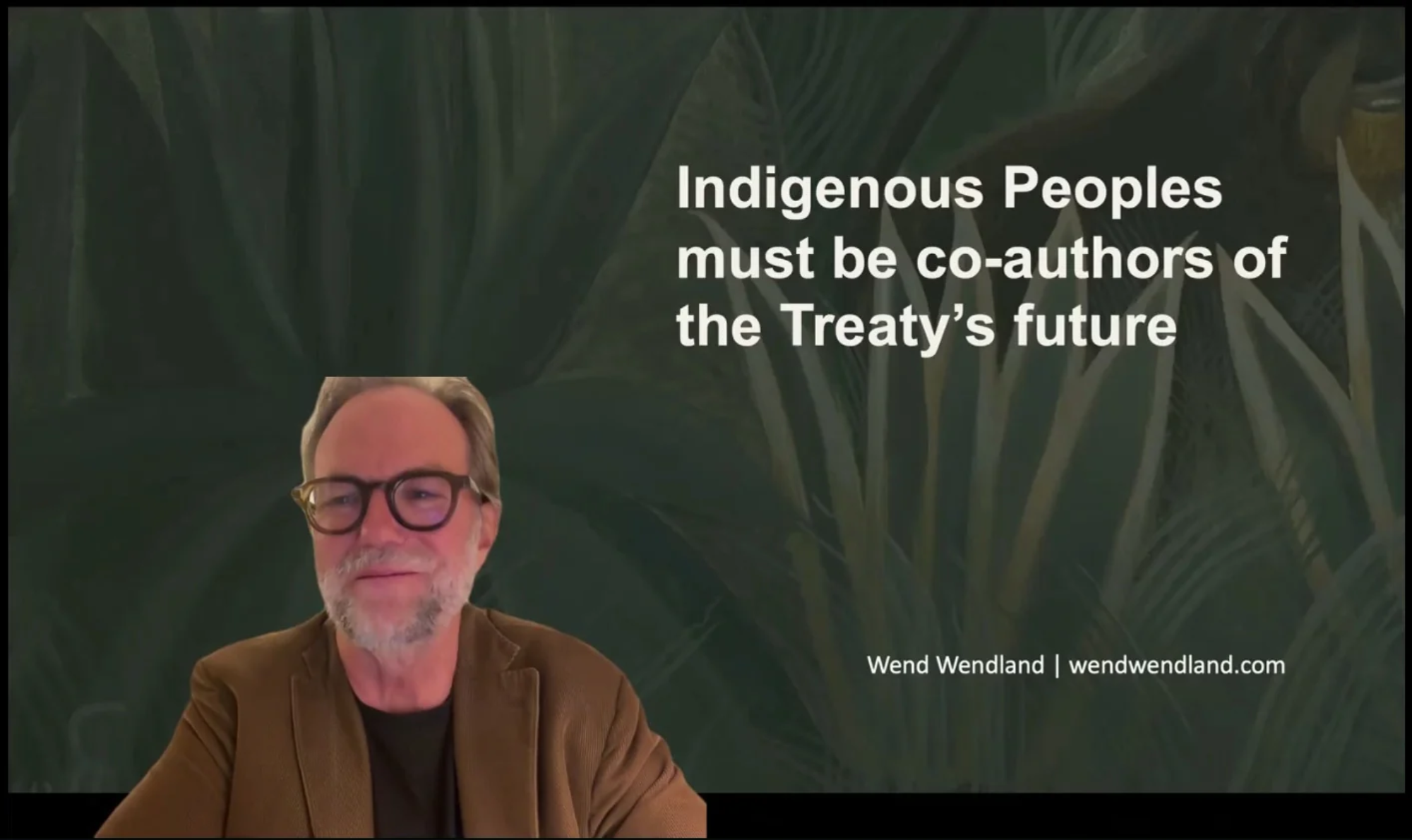
Panelists echoed Ambassador Patriota’s remarks on the importance of the GRATK Treaty, noting that this was the first time in international intellectual property lawmaking that Indigenous Peoples actively participated during the treaty negotiations. This serves as an example of inclusive decision-making and a step towards equity. Speakers shared strategies for implementing the GRATK Treaty in Tribal, federal, and international forums, toward the protection of their plant knowledge and other resources. Attendees also received an update on the ongoing WIPO negotiations regarding traditional knowledge and traditional cultural expressions such as Indigenous songs, dances, stories, and art.
Breakout session attendees were among the first to receive hard copies of a new resource entitled, “Raising Awareness and Advancing Implementation: The WIPO Treaty on Intellectual Property, Genetic Resources & Associated Traditional Knowledge,” published by the University of Colorado Law School, Native American Rights Fund, The Implementation Project, and IndigiNational Strategies. This resource provides the latest information about the GRATK Treaty, NCAI’s involvement, and steps toward raising awareness of the Treaty and advancing its implementation. The publication is now available on our website.